
Brake fluid is often overlooked, but it’s one of the most important components of your vehicle’s braking system. Without it, your car wouldn’t be able to stop effectively, putting you and others on the road at risk. Understanding its importance and knowing how to maintain it can ensure a safer driving experience.
What is Brake Fluid and Why is it Important?
Brake fluid is a hydraulic fluid that transfers the force from your brake pedal to your car’s braking system. Brake fluid must withstand extreme heat and pressure, as it operates in high-temperature environments. If the fluid becomes contaminated or its level drops too low, the braking system won’t perform efficiently, leading to delayed stopping or complete brake failure.
Signs Your Brake Fluid Needs Attention
It’s very important to be aware of the warning signs indicating a need for brake fluid maintenance. These include:
- Spongy or Soft Brake Pedal: This may mean there’s air in the brake lines or low brake fluid.
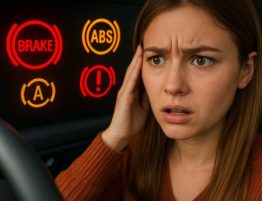
- Brake Warning Light: Don’t ignore this; it could signify a serious brake fluid issue.
- Delayed Braking Response: Contaminated or low brake fluid can reduce braking efficiency.
- Discolored or Dirty Fluid: Fresh brake fluid is usually clear or light amber. If it’s dark or murky, it’s time for a change.
How Often Should Brake Fluid Be Checked or Replaced?
- Check Regularly: Brake fluid levels should be checked every 3-6 months, or whenever you have your vehicle serviced.
- Replace Every 2-3 Years (or every 36,000 miles): Over time, brake fluid absorbs moisture from the air, which can cause it to degrade and become less effective.
Neglecting to replace old or contaminated fluid can lead to corrosion in the brake system, reduced performance, or even complete failure in extreme cases.
3 Pro Tips for Maintaining Brake Fluid
- Use the Right Type of Fluid
Brake fluid comes in various types, such as DOT 3, DOT 4, and DOT 5. Always check your owner’s manual or consult a professional to make sure that you’re using the correct type for your vehicle. A common myth is that ATF (automatic transmission fluid) or other petroleum-based fluids can be put in the brake system. We see this all the time, along with other products such as StopLeak. When this happens, it swells all the rubber seals in the system and a full system replacement has to happen. - Avoid Contamination
Brake fluid absorbs moisture and debris easily. Keep the brake fluid cap tightly sealed and never use fluid from an already opened, old bottle, as it might contain contaminants. - Schedule Regular Inspections (At least once a year)
Your mechanic can check your brake system for potential leaks, contamination, or other issues during routine vehicle maintenance. Regular inspections make sure that your brake system is functioning properly. - Flush the System if Needed
Sometimes, it’s not enough to top off brake fluid; the entire system may need flushing to remove old, contaminated fluid and replace it with fresh brake fluid.
Why Brake Fluid Maintenance Matters
Skipping brake fluid maintenance can lead to serious safety risks. A compromised braking system won’t be able to stop your vehicle effectively, increasing the chances of accidents. Regular checks and timely replacements are simple and cost-effective steps that can save you from expensive repairs or worse—an unsafe driving experience.
Choose Brakes-4-Less for Expert Brake Services
At Brakes-4-Less, we know brakes better than anyone! From brake fluid inspections to complete brake overhauls, our brake experts make sure that your vehicle’s braking system is in top condition. Plus, our quick service times and affordable pricing mean less hassle for you.
Stop by your nearest Brakes-4-Less location for a free brake inspection today. Drive with confidence knowing your brakes—and your brake fluid—are in expert hands!
Commonly Asked Questions from Customers
How do I know which type of brake fluid my car needs?
Check your car’s owner’s manual for the recommended type of brake fluid, like DOT 3, DOT 4, or DOT 5. If you’re unsure, consult a trusted mechanic or visit Brakes-4-Less for expert advice. Using the wrong type can impact your braking performance.
What happens if I don’t replace the old brake fluid?
Old brake fluid absorbs moisture, which can lower its boiling point and cause corrosion in the brake system. This reduces braking efficiency and may even lead to brake failure. Replacing it every 2-3 years, or 36,000 miles helps maintain safe and reliable braking.