
Keeping your brakes in top condition is one of the most important responsibilities of car ownership. Brakes are crucial for your safety, and neglecting them can lead to costly repairs and hazardous situations. Here’s a thorough guide for maintaining your car’s brakes and ensuring they last longer.
1. Regular Brake Inspections
Why Inspections Are Important
Routine brake inspections can catch small problems before they become major headaches. Your brake system wears down over time, so staying on top of its condition is key to long-term performance.
When to Get Inspections
- Every 12,000 miles or once a year, whichever comes first.
- If you feel vibrations or hear unusual sounds while braking (see Section 2 for more details).
- Before long road trips.
2. Recognizing the Signs of Brake Issues
Common Warning Signs
Knowing what to look (or listen) for can save you time, money, and stress. Watch out for these red flags:
- Squeaking or Squealing Sounds – This is often the first sign your brake pads need replacing.
- Grinding Noise – A grinding sound may indicate that your brake pads are completely worn out, possibly damaging the rotors.
- Vibrations While Braking – If your brake pedal vibrates when pressed, it might be due to warped rotors.
- Soft or Spongy Brake Pedal – This may signal air in the brake lines or low brake fluid.
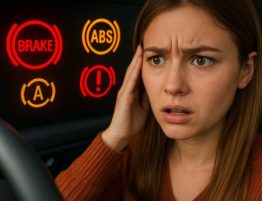
Dashboard Brake Warning Light – Never ignore this! It could indicate anything from worn pads to more serious system issues.
What to Do
If you notice any of these signs, schedule an inspection immediately to prevent further damage or a potential safety hazard.
3. Simple Ways to Extend Your Brake Lifespan
Avoid expensive repairs by adopting these habits to preserve your brake components:
a) Avoid Hard Braking
Frequent hard stops wear down brake pads quickly. Instead, anticipate stops and brake gently.
b) Reduce Excess Weight
Carrying extra weight increases the strain on your brakes. Unload unnecessary items from your car.
c) Use Engine Braking
When driving downhill, shift to a lower gear so your engine helps slow your car instead of relying solely on your brakes.
d) Maintain Proper Tire Pressure
Underinflated tires can create more friction, causing your brakes to work harder.
4. The Importance of Brake Fluid
What Does Brake Fluid Do?
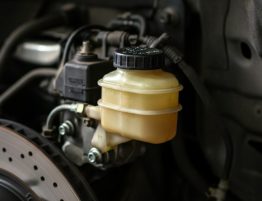
Brake fluid transfers force from your foot on the pedal to the braking system itself. Without it, your brakes won’t function properly.
How Often to Replace
- Replace brake fluid every two to three years or as recommended in your vehicle’s owner manual.
- Watch for signs like a soft brake pedal or discolored fluid in the reservoir.
5. Understand When to Seek Professional Help
Routine maintenance can go a long way, but certain brake issues require expert care. Reach out to professionals if:
- Your brake pads have less than 3mm of material left.
- Your rotors appear warped or deeply scored.
- There’s persistent squealing even after replacing the pads.
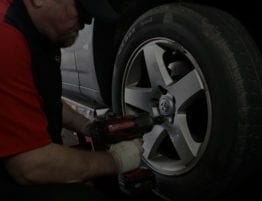
At Brakes 4 Less, we specialize in taking the stress out of brake care. Our trained technicians offer free brake inspections to help you spot problems early, and our affordable pricing ensures maintaining your brakes won’t break the bank.
6. Schedule Regular Maintenance
Contact your preferred brake specialist, like Brakes 4 Less, to stay ahead of potential issues. Preventive maintenance:
- Prolongs the lifespan of your brakes.
- Improves your car’s performance and safety.
- Saves money by avoiding costly repairs down the road.
Now You Know
Your brakes are essential to keeping you safe on the road. By following this checklist and staying proactive about maintenance, you’ll not only save money but also ensure peace of mind every time you drive. For all your brake needs, trust Brakes 4 Less for expert care at unbeatable prices.
Need a Brake Inspection?
Schedule your free brake inspection with Brakes 4 Less today to protect your car and your wallet.
FAQs
1. How often should I check my brake pads?
It’s a good idea to visually inspect your brake pads every six months or during regular vehicle maintenance. If they appear to have less than 3mm of material left, it’s time to replace them. Scheduling a free brake inspection at Brakes 4 Less can help you stay on top of wear and tear.
2. Why is replacing brake fluid important, and how often should it be done?
Brake fluid absorbs moisture over time, which can reduce its efficiency and lead to brake failure. To ensure optimal performance, replace brake fluid every 2–3 years, or as recommended in your vehicle manual. Always check the fluid level and consistency during routine inspections.